FABRIC WORKSHOP MUSEUM
PHILADELPHIA, PA
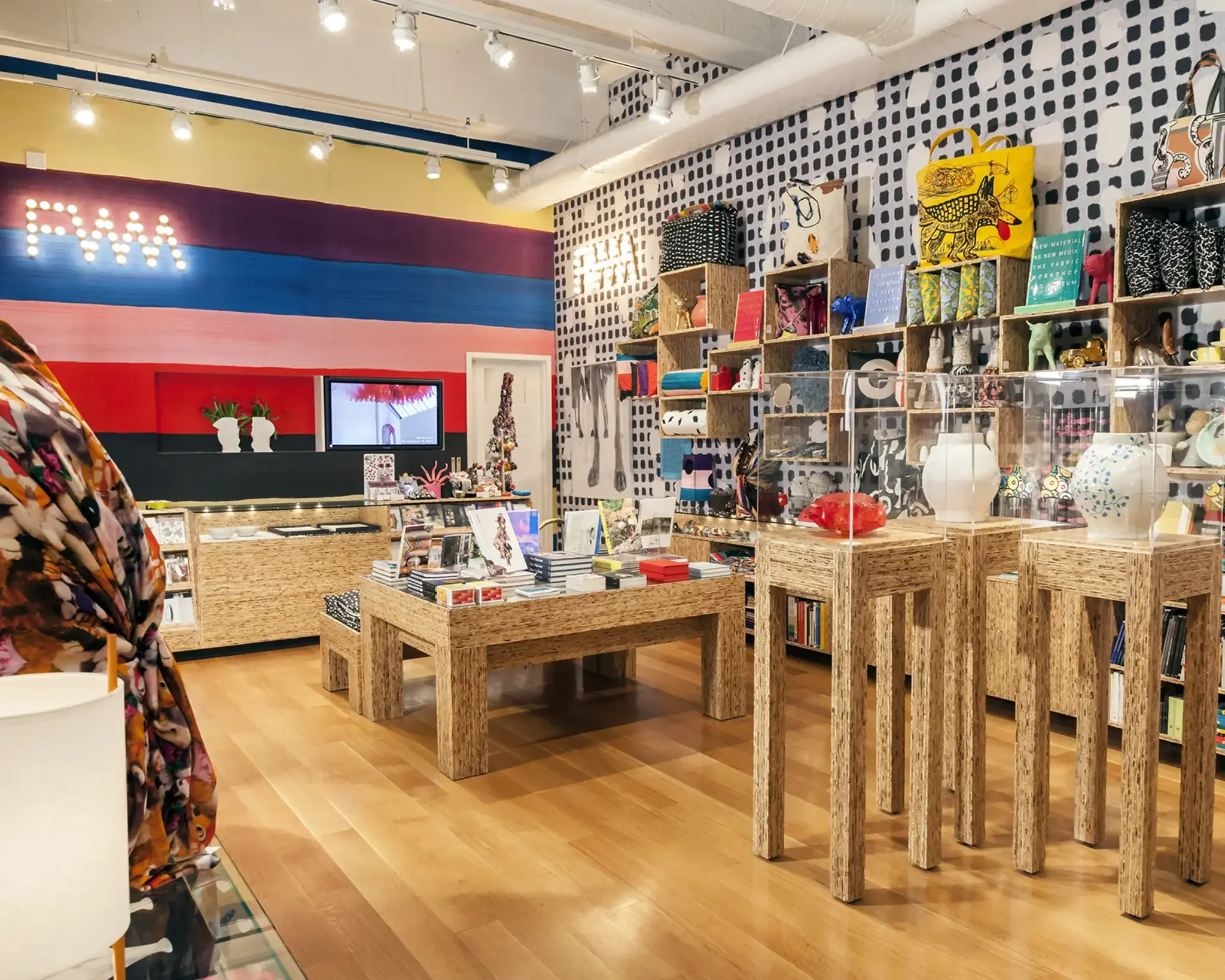
Photography from the Fabric Workshop Museum
Retail Strategy & Business Plan
Revenue Strategy
Branded Product Development
E-Commerce Strategy
Marketing Integration
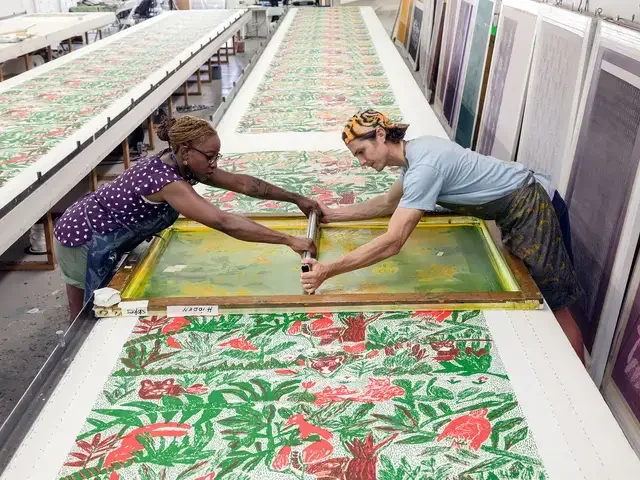
The Fabric Workshop and Museum (FWM) is an internationally recognized contemporary art museum with an active studio and artist-in-residence program. Founded in 1977, FWM began by inviting visual artists to Philadelphia to experiment with fabric in its workshops and has since expanded its tools and capabilities to accommodate a wide range of innovative materials and media. Research, construction, and fabrication take place onsite in studios that are open to the public, reinforcing the institution’s identity as a living laboratory for artistic production.
Over the years, resident artists have included Laurie Anderson, Mark Bradford, Louise Bourgeois, Glenn Ligon, Ed Ruscha, Yinka Shonibare, Sarah Sze, and many others.
For decades, FWM relied on the generosity of its founder and a dedicated network of supporters to sustain operations. As the institution looked toward long-term financial independence, leadership identified retail as a strategic opportunity to diversify revenue and strengthen earned income.
Lakeside Collaborative was engaged to develop a comprehensive Retail Strategy and Business Plan to transform FWM’s “Shopworks” into both a meaningful revenue generator and a dynamic brand asset — while preserving its collaborative spirit and deep connection to its artist community.
Lakeside’s Discovery Phase and research informed a tailored strategy grounded in FWM’s mission, creative ethos, and long-term financial goals. The resulting Retail Business Plan established a clear roadmap for building a cohesive retail presence both onsite and online.
Recognizing FWM’s brand DNA as a hub for experimentation and making, Lakeside placed special emphasis on branded product development and artist collaborations. These initiatives positioned the shop as an extension of the studio experience rather than a traditional museum store.
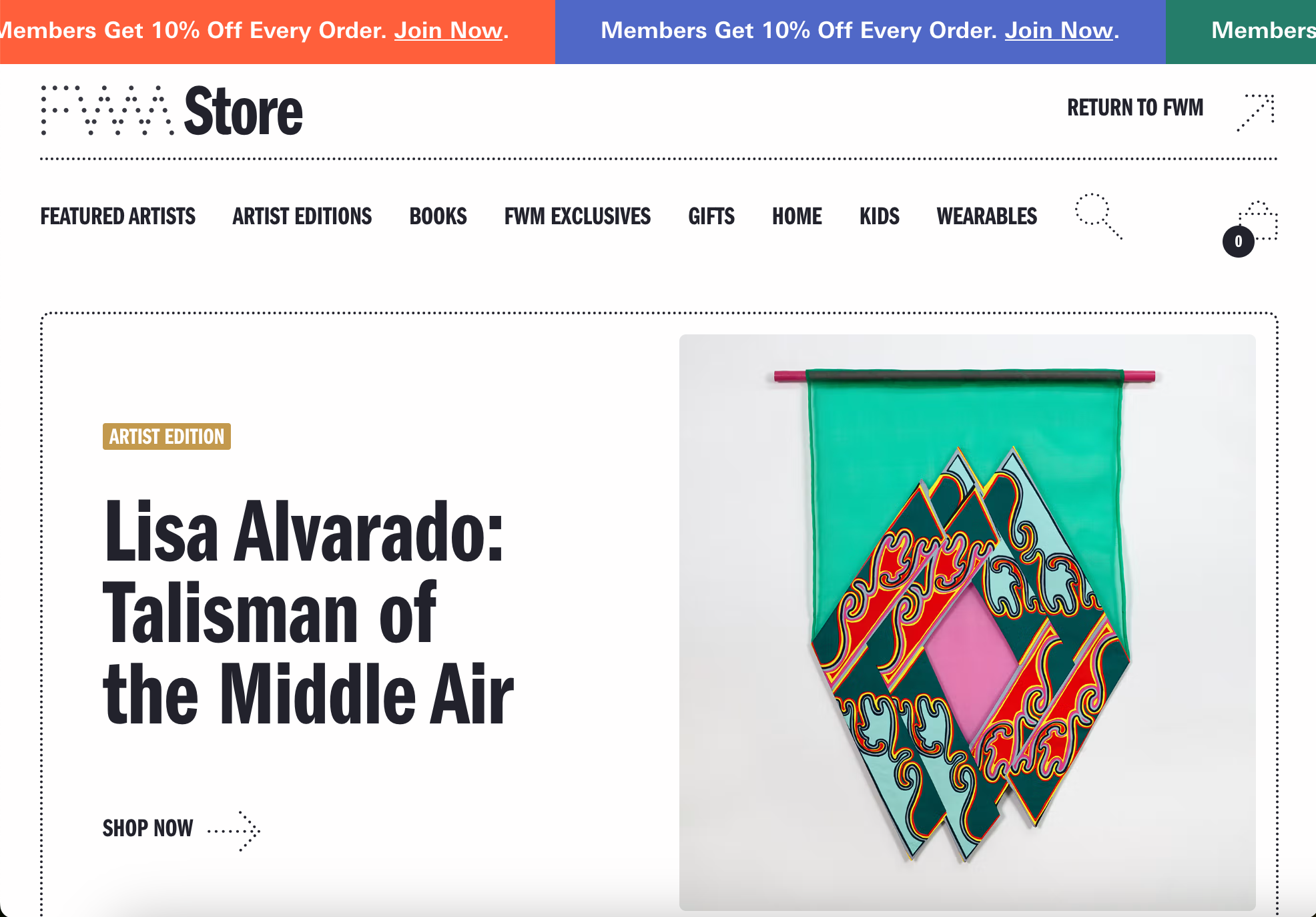
Lakeside identified the shop’s limited square footage and location as structural constraints to revenue growth. To mitigate this headwind, Lakeside enlisted L+L Design Studio to shape a distinctive digital presence that could expand reach beyond the museum’s physical footprint.
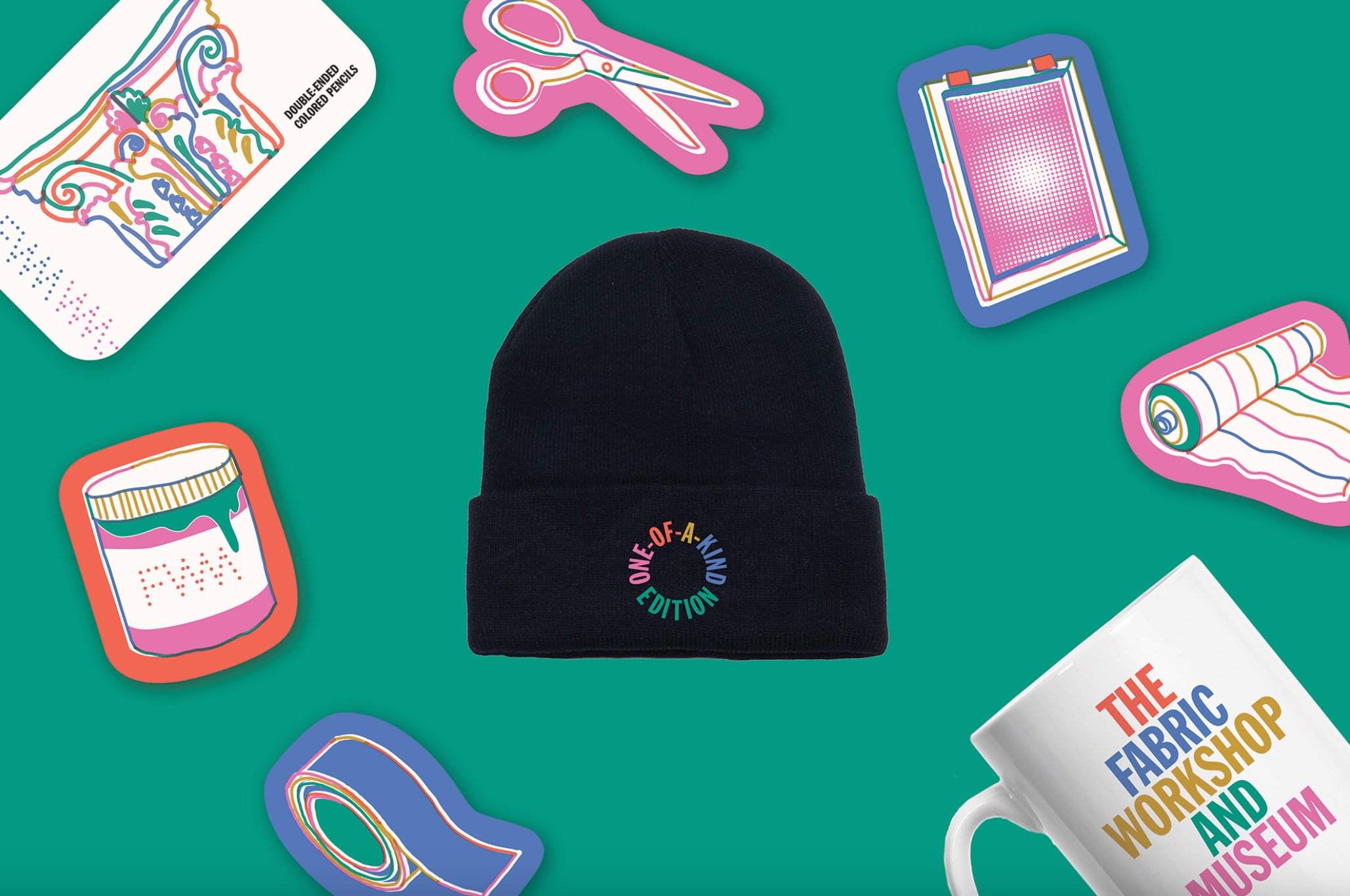
L+L’s approach to FWM’s new website and capsule collection drew inspiration from the concept of “contagious creativity” — the energy generated across the museum’s studios, exhibitions, and store. The visual identity incorporates a palette of pink, gold, coral, blue, green, black, and cream, inspired by decades of layered pigment left on studio print tables. The lead typeface, ITC Franklin Gothic Std Demi, references the pop façade of the museum’s Arch Street location, originally designed by Venturi, Scott Brown and Associates.
Supported by a 2021 Reimagining Recovery Grant from The Pew Center for Arts & Heritage, FWM deepened the integration of its Studio, Store, and audiences. The initiative formalized its artist multiples program under the Shopworks banner.
Through these collaborations, FWM supports the development and production of limited-edition artworks available for purchase, generating essential funding for future projects. Participating artists have included Louise Bourgeois, Jonathan Lyndon Chase, Ann Hamilton, Jayson Musson, Sarah Sze, Richard Tuttle, and William Wegman, among others.
Shopworks continues to honor the founding vision of Marion “Kippy” Boulton Stroud — sustaining a model in which artists and institution collaborate closely — while building new audiences for today’s cultural landscape.
The strategy positioned Shopworks as a powerful platform connecting FWM’s artist studios, museum audiences, and the broader Philadelphia creative community. With a clear financial model, mission-aligned merchandising framework, and expanded digital reach, retail became a meaningful contributor to FWM’s long-term sustainability while amplifying its role as a center for contemporary artistic practice.